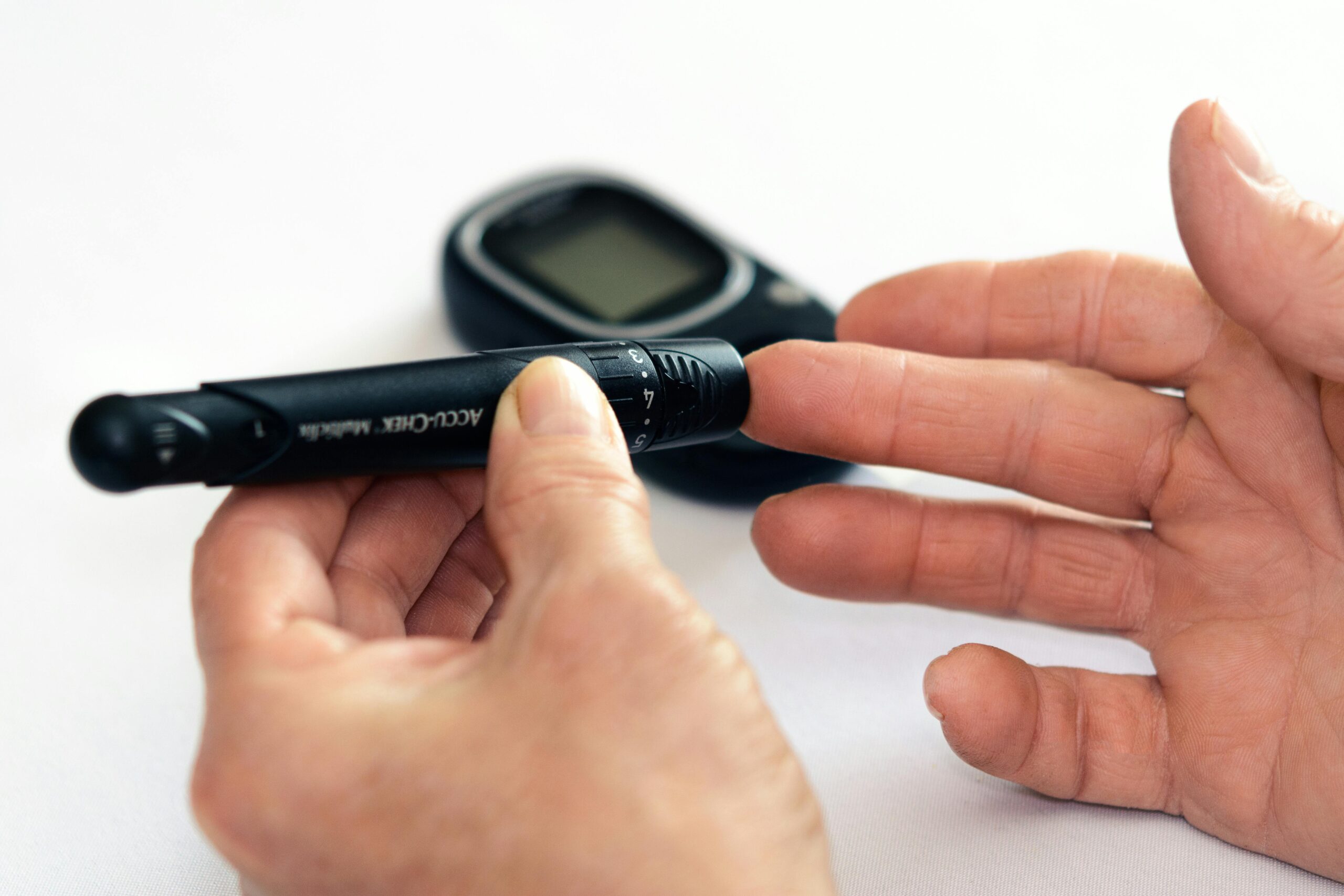
Glucose management has graduated from a niche diabetes concern to a daily longevity lever. When blood sugar swings above about 140 mg/dL or dips below 70 mg/dL, oxidative stress and silent inflammation spike—wear-and-tear that dulls everything from arterial elasticity to synaptic firing speed. Think of a smooth glucose curve as rust-proofing for your cells.
Hard data back the idea. A 2024 Nature-portfolio study following healthy adults for three decades found peripheral insulin resistance—not LDL cholesterol—was the strongest predictor of slower working-memory reaction times; participants with better glucose disposal performed cognitively as if they were ten years younger than peers of the same chronological age. Meanwhile, a 2025 narrative review in Diabetes Therapy concluded that continuous glucose monitoring (CGM) improves “time in range” and cuts both hyper- and hypoglycemic minutes by roughly half an hour per day in older adults—enough to reduce dizziness episodes and microvascular strain.
Tech access is expanding fast. The U.S. FDA has already cleared over-the-counter sensor systems—no prescription required—so weekend cyclists and busy executives can run two-week “food-walk-sleep” experiments and watch post-meal spikes flatten in real time. That instant feedback cements habits far better than abstract diet advice ever could.
Layering lifestyle with targeted compounds multiplies the benefit. Metformin remains the gold-standard glucoregulatory drug and also nudges the AMPK pathway central to many anti-aging protocols. Berberine, a plant alkaloid, offers a similar AMPK kick without a prescription, though its gut-microbiome interaction makes dosing highly individual. Newer GLP-1 receptor agonists—semaglutide tops the list—lower fasting glucose while preferentially trimming visceral fat; in a June 2025 trial, one-third of obese type-1 diabetics hit combined weight-loss and glucose targets without more hypoglycemia. For nerve protection when occasional spikes creep above 160 mg/dL, alpha-lipoic acid and benfotiamine appear promising adjuncts.
Risks and practical cautions remain. Over-zealous stacking of insulin-sensitizing agents—or combining extended fasting with intense exercise—can trigger lows that leave you shaky or confused. Continuous tracking can also border on orthorexia if every bowl of rice becomes a moral dilemma. Finally, sensors and specialty compounds aren’t cheap in all regions, and longitudinal data in healthy, non-diabetic users are still thin. A periodic review with a clinician familiar with wellness compounds keeps experimentation safe.
Taken together, thoughtful glucose management benefits resonate far beyond diabetes prevention. Smoother curves mean less oxidative rust, steadier mitochondria, clearer thinking, and a cardiovascular profile that ages more slowly—all perfectly aligned with evidence-based wellness compounds and modern anti-aging protocols. Staying current with research lets you fine-tune those strategies as science evolves.
Frequently Asked Questions
What fasting glucose range best supports healthy aging?
Most longevity researchers aim for 80–90 mg/dL upon waking—low enough to minimize glycation damage yet high enough to avoid cortisol-driven stress responses. Achieving that target usually hinges on evening meal timing and overnight circadian rhythms rather than strict carb avoidance alone.
Can I use a continuous glucose monitor if I’m not diabetic?
Yes—recent FDA decisions allow certain CGMs to be sold over the counter to adults who don’t use insulin. Short-term self-tracking (one or two sensors per year) can reveal how specific foods, exercise bouts, or poor sleep affect your curves, guiding sustainable tweaks without committing to year-round wear.
Are natural supplements like berberine as effective as metformin?
Berberine activates similar metabolic pathways but has lower and more variable bioavailability. Many integrative clinicians recommend starting with lifestyle changes plus berberine, then progressing to metformin if fasting glucose or A1C remains elevated, always monitoring digestion and liver enzymes.
How quickly do lifestyle tweaks flatten post-meal spikes?
The body responds surprisingly fast: a 10-minute walk within an hour after eating or swapping white rice for lentils can reduce a spike by 20–30 mg/dL the same day. Sustained improvements in insulin sensitivity, however, accrue over weeks of consistent movement, fiber intake, and quality sleep.
This article is for informational purposes only and does not constitute medical advice.