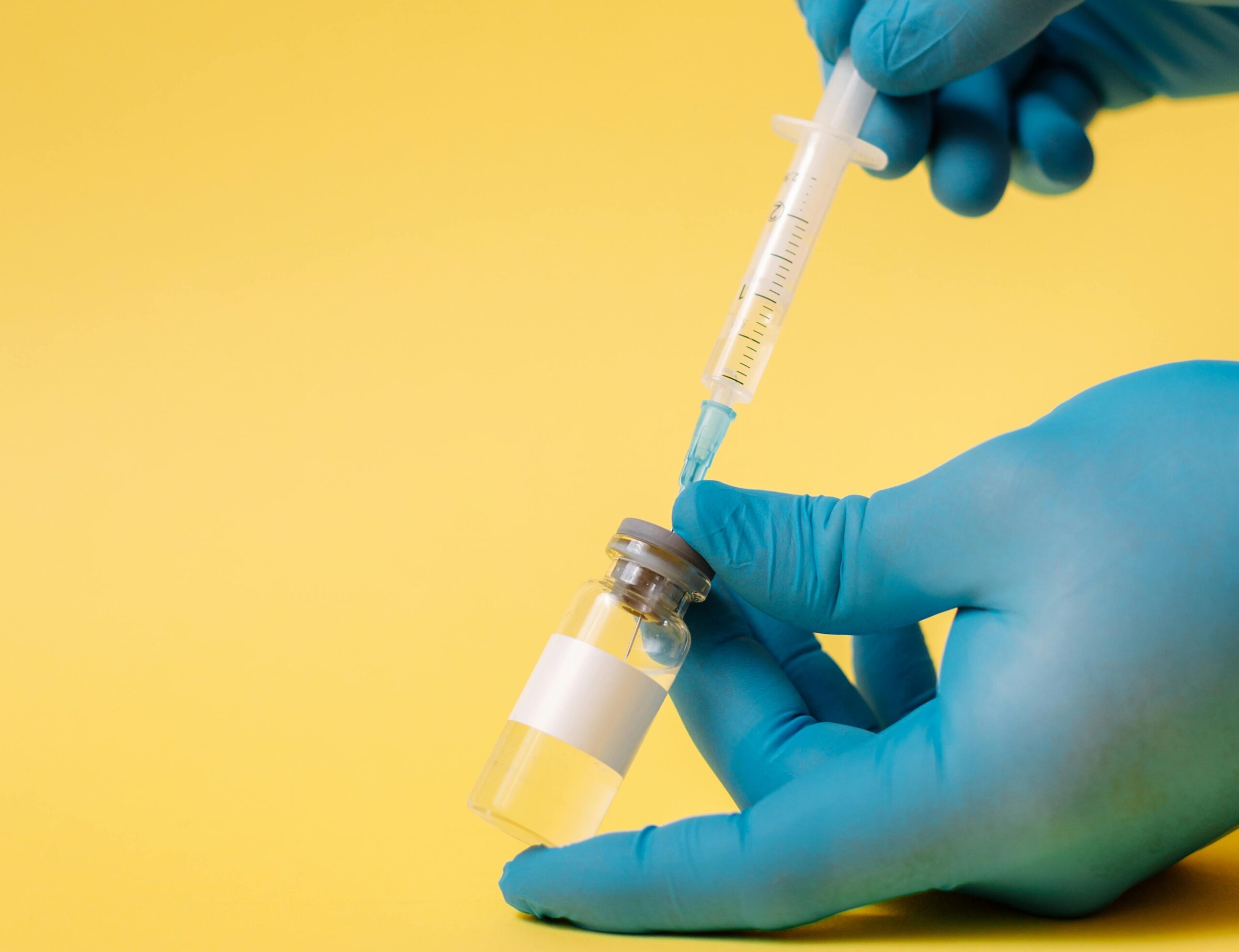
Vitamin B12 injections sound high-tech, but they’re really a simple way to top up a vitamin your body already loves. B12 helps you make red blood cells, protect nerves, and turn food into steady energy. Because plant-heavy diets, acid-blocking medicines, or gut disorders can block normal absorption, many people run low without realising it. A tiny weekly shot bypasses the digestive tract and delivers B12 straight into the bloodstream—no waiting, no guesswork.
What does the research say? A 2024 review that compared more than 4,000 patients found that oral, sub-lingual, and intramuscular (IM) doses all raised blood levels, but IM injections ranked first—though the advantage was small and not clinically dramatic. In a 2024 clinic survey of 112 adults receiving high-dose methylcobalamin reported “more energy, less fatigue, and steadier balance” within a month, illustrating why many clinics keep it on the menu.
The benefits go far beyond a simple energy boost. B12 is a key helper in the reaction that lowers homocysteine, a blood marker linked to heart and brain disease; population data show that people with high homocysteine see higher cardiovascular death rates. People with pernicious anaemia, chronic metformin therapy, or post‑bariatric digestion often find B12 injections life‑changing, since tablets aren’t absorbed effectively. Athletes, frequent flyers, and shift workers also layer B12 into “wellness compound” stacks (think B12 + NAD⁺) to shore up mitochondria during punishing schedules.
Risks are generally mild: brief soreness at the injection site, an occasional flush, nausea, or acne in people who megadose. Cost and convenience matter too—one month of shots can cost ten times more than high-strength tablets, and studies show a daily 1–2 mg pill works just as well once absorption problems are ruled out. Smart protocols start at 1 mg weekly, then taper to monthly to prevent “expensive urine” from excess doses.
Taken together, B12 injections are essential for anyone who genuinely can’t absorb the vitamin, helpful for documented deficiency, and probably unnecessary for people with normal lab values. Keeping an eye on emerging evidence ensures you get the right dose, by the right route, at the right time as part of a balanced anti-aging plan.
Frequently Asked Questions
Who really needs a B12 injection?
People with absorption barriers—pernicious anemia, removed stomach or ileum, prolonged use of metformin or acid-blockers, or certain gut disorders—often can’t pull enough B12 from food or pills. For them, an intramuscular shot bypasses the gut and restores levels reliably.
How soon will I feel the difference?
Patients in 2024 interviews noticed better energy and less wobbliness within three to four weeks of weekly injections; nerve-related symptoms like tingling may take a few months to fade because nerve sheaths repair slowly.
Are injections better than pills for everyone?
Not necessarily. The latest meta-analyses show that high-dose oral B12 (1–2 mg daily) can raise blood levels just as well as shots in most people; injections only pull ahead when the gut can’t absorb, or when rapid correction is needed.
What side effects should I watch for?
Mild pain or swelling at the needle site is common. Some people flush, feel nauseous, or break out with acne if doses are very high. Severe reactions (hives, palpitations) are rare and often tied to cobalt allergy in the vial, so anyone with metal sensitivities should discuss alternatives
This article is for informational purposes only and does not constitute medical advice.